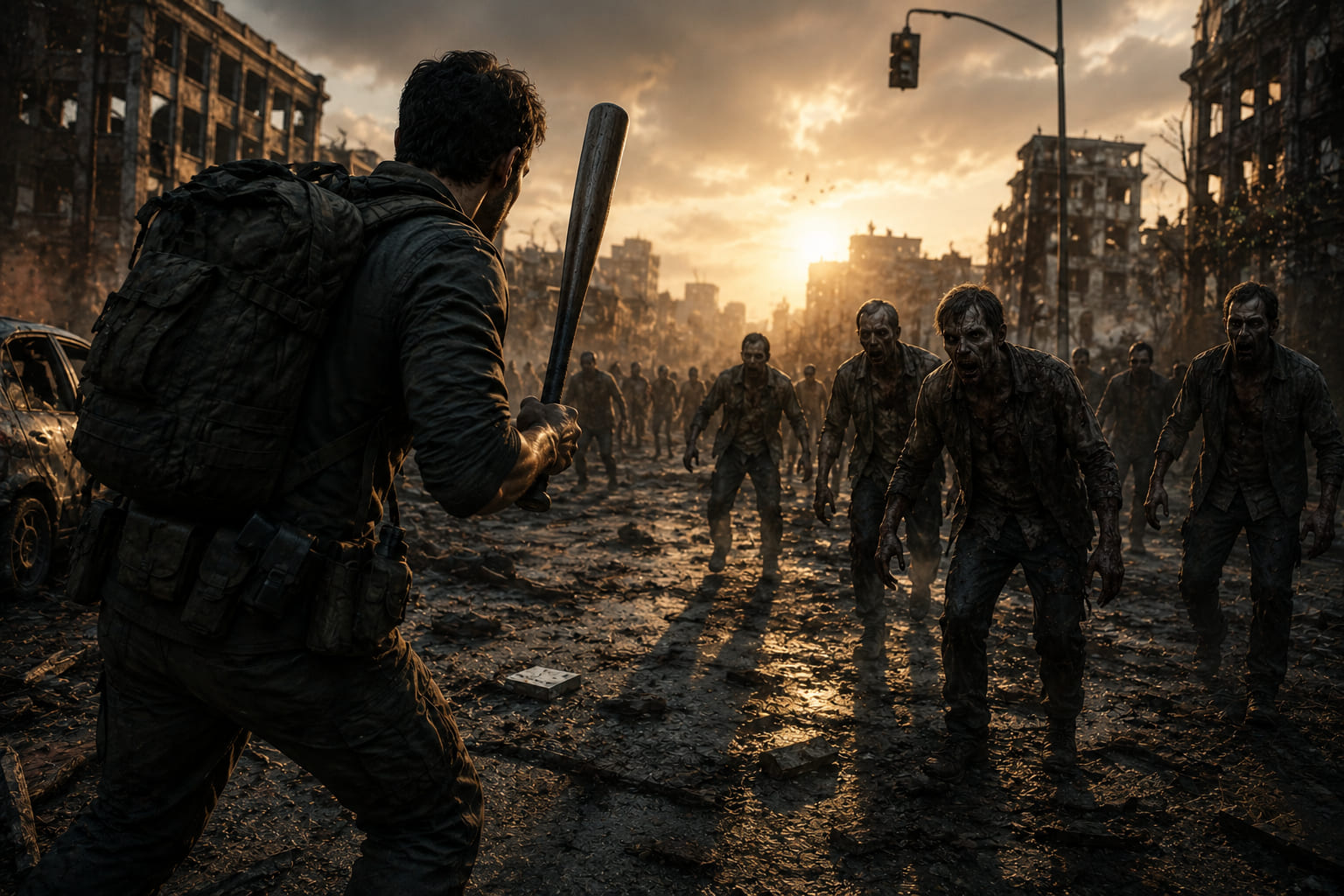
Zombie Combat Guides: From Folklore and Horror Fiction to Survival Culture
Zombies are fictional, but zombie survival culture is very real. For decades, readers, film fans, gamers, emergency planners, and internet communities have treated the imaginary zombie outbreak as a thought experiment: if familiar systems suddenly failed, what would people do next? The result is a curious body of survival manuals, game strategies, fan rules, preparedness campaigns, and debates about “zombie combat” that reveal as much about modern fears as they do about monsters.
To understand why zombie combat guides became so popular, it helps to separate several different traditions. The zombie of Haitian folklore is not the same creature as the flesh-eating undead of modern cinema. The slow-moving corpses associated with twentieth-century horror are different again from the infected humans found in many recent games and films. Survival advice changes with each fictional rule set, which is one reason there can never be a single coherent guide to fighting zombies.
Before the apocalypse: where the zombie idea came from
The word “zombie” entered English-language popular culture through accounts of Haiti, where beliefs about the zombi developed within a complex history shaped by African religious traditions, slavery, colonialism, and Haitian Vodou. In that context, the zombi was not originally a mass of contagious corpses attacking cities. It was more often described as a person deprived of autonomy and placed under supernatural control. Modern scholarship has repeatedly warned against reducing Haitian religious traditions to the simplified monsters created by foreign entertainment.
Early American films transformed the concept. Movies such as White Zombie in 1932 used themes of mind control and enslavement. The decisive change came later. George A. Romero's Night of the Living Dead, released in 1968, presented reanimated human corpses attacking the living. The film itself generally called them “ghouls,” but audiences and later filmmakers folded them into the expanding category of zombies. The modern outbreak zombie was born from this cinematic tradition rather than directly from Haitian folklore.
How fictional rules created the idea of zombie combat
A zombie combat guide only makes sense after a story establishes its rules. Can the creature run? Does infection spread by bites, blood, spores, or something else? Is the zombie actually dead, or is it a living person affected by disease? Can it think, organize, climb, use tools, or remember familiar places? Horror stories answer these questions differently, and those choices determine how characters behave.
Romero-style zombies are usually slow, persistent, and dangerous in groups. Later films and games popularized much faster infected enemies. The Resident Evil game series, launched in 1996, helped establish survival horror as a major gaming category, while Left 4 Dead made coordinated survival against fast-moving hordes central to its design. The Last of Us later built its fictional outbreak around a mutated fungus, borrowing the real biological idea of parasitic fungi while inventing a human pandemic that does not exist in nature.
The rise of the zombie survival manual
The most influential modern example is Max Brooks's 2003 book The Zombie Survival Guide, which presents a fictional emergency manual in a deliberately serious voice. Its success helped turn zombie preparedness into a recognizable subculture. Online forums, television programs, tabletop games, and fan communities soon produced their own scenarios and rankings of supposedly safe locations, useful equipment, and outbreak mistakes.
When public health agencies joined the joke
In 2011, the US Centers for Disease Control and Prevention used zombies to promote real emergency preparedness. Its Preparedness 101: Zombie Pandemic graphic novel was explicitly fictional, but the underlying advice concerned ordinary disasters. The campaign encouraged people to make emergency plans and prepare basic supplies.
The CDC campaign is an important moment in the history of zombie survival culture because it showed that fictional danger can be used as a communication tool without pretending the danger is real. The zombie was a hook. The practical subject was readiness for events such as storms, earthquakes, evacuations, and other disruptions.
This is also where real-world preparedness should separate from fictional combat advice. Emergency agencies focus on water, food, medication, communication plans, evacuation routes, official alerts, and contact information. They do not treat horror-movie combat rules as genuine safety guidance.
Why games made zombie tactics feel practical
Video games give players something films cannot: repeated decision-making. A player can test routes, ration fictional supplies, cooperate with teammates, fail, restart, and learn the game's systems. This creates the feeling of practical knowledge even when the underlying scenario is impossible.
In real emergencies, that broader lesson remains useful. Avoid hazards, follow reliable instructions, keep essential supplies available, and do not turn uncertainty into reckless action. The monsters are imaginary, but poor planning is not.
What zombie culture tells us about the fears of each era
Zombie stories constantly absorb contemporary anxieties. Some focus on consumer society, others on pandemics, military failure, scientific experimentation, environmental collapse, or distrust of institutions. The zombie is flexible because it has no single fixed meaning. A horde can represent disease, conformity, social breakdown, or simply an exciting obstacle.
The grounded way to enjoy a zombie survival guide
There is nothing wrong with treating zombie survival as a game, a writing exercise, or a way to think about emergency planning. The key is keeping the categories clear. Haitian zombie traditions deserve historical and cultural context. Horror zombies belong to fiction. Game tactics work inside designed rule systems. Public preparedness advice should come from qualified emergency and health authorities.
Viewed that way, the history of zombie combat guides becomes more interesting than a list of imaginary fighting techniques. It is a history of folklore being transformed by cinema, cinema influencing games, games encouraging strategic thinking, and public institutions borrowing popular culture to make serious messages easier to remember.
No zombie apocalypse is waiting outside the door. But the popularity of planning for one tells us something real: people are fascinated by what happens when ordinary rules disappear, and they like to imagine that preparation could help them face the unknown.